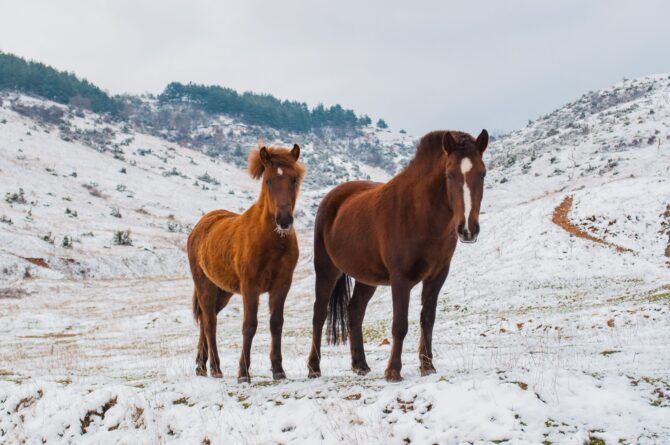
The first hard frost changes everything about a horse’s life. Turnout shrinks, footing turns to concrete, grass goes dormant, and a horse that moved all summer freely starts spending more hours standing still. Most owners notice the obvious seasonal shifts: a thicker coat, a bigger hay bill, water buckets that need breaking in the morning.
What is harder to see is what winter does beneath the surface, in the bones and joints that carry a thousand pounds across frozen ground. Skeletal tissue is living, constantly remodeling, and it responds to cold, inactivity, and diet changes just as muscle and hoof do. Understanding those responses is the difference between a horse that comes out of winter sound and one that starts spring already behind.
Why Winter Is Harder on Bones and Joints
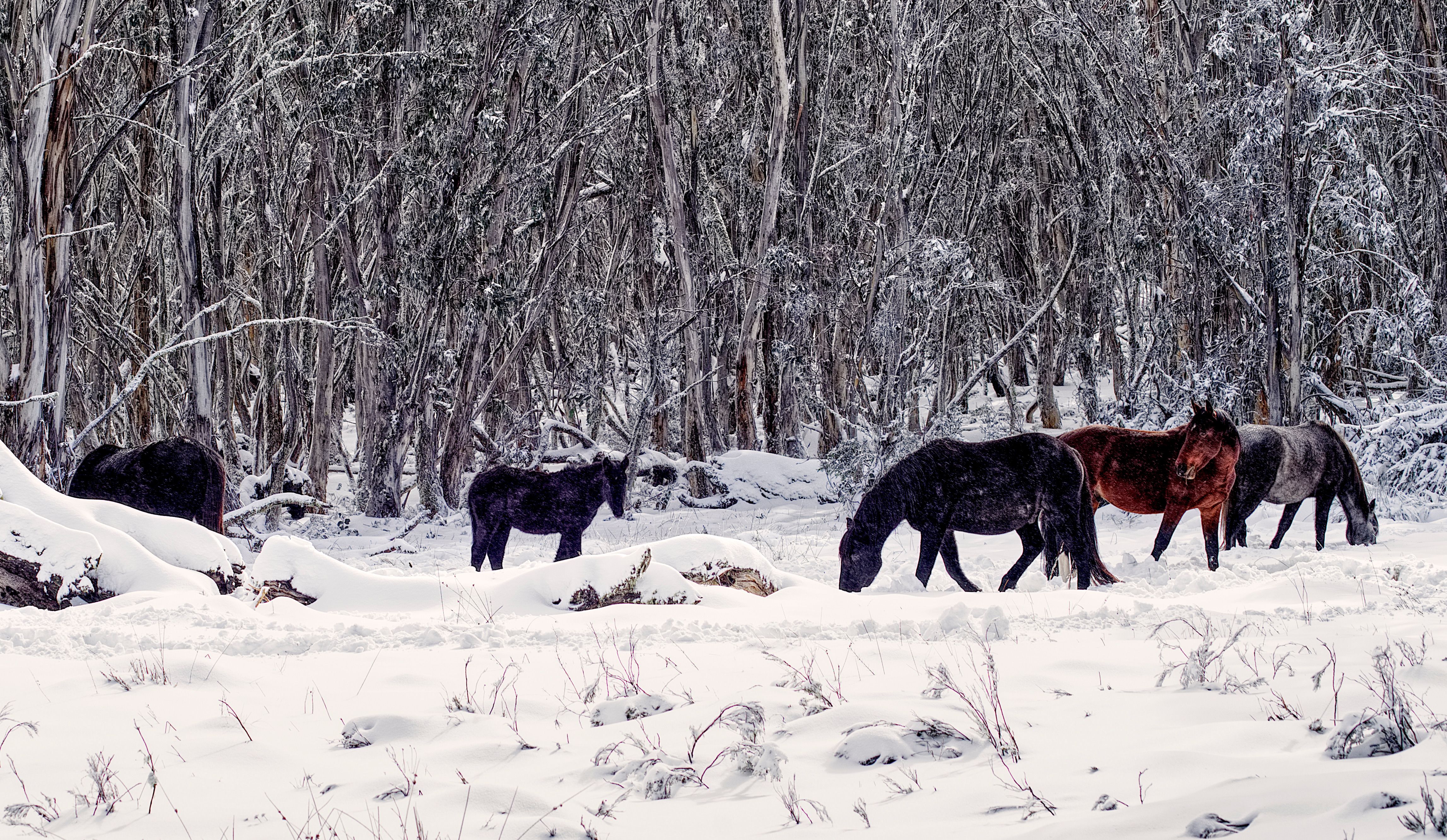
Three things change for a horse in cold weather, and each one affects the skeleton.
Movement drops. Bone density is maintained by load. When a horse walks, trots, and plays, the mechanical stress signals bone cells to keep laying down mineral. Reduced turnout, icy paddocks, and fewer rides remove that signal. Studies in young horses have shown measurable loss of bone mineral content within weeks of stall confinement, and older horses regain it more slowly once activity resumes.
Footing hardens. Frozen, rutted ground offers no give. Every stride on it sends more concussion up the limb, through the hoof, pastern, fetlock, and knee or hock. Joints already stiff from standing absorb that impact less efficiently, which is why winter lameness often shows up as vague, shifting stiffness rather than a single acute injury.
Nutrition shifts. Fresh pasture is a horse’s primary natural source of vitamin K1, which activates the proteins that bind calcium into bone. When horses move from green grass to cured hay, K1 intake can fall sharply because the vitamin degrades during drying and storage. Calcium and phosphorus still arrive from hay, but without adequate K1, the body cannot direct those minerals into the skeleton as effectively.
How Cold Affects Joint Fluid and Cartilage
Synovial fluid, the lubricant inside each joint, thickens as temperatures fall. A horse standing in a cold stall overnight has stiffer joints by morning, which is why senior horses, in particular, look creaky at the first feeding and loosen up only after moving. That stiffness is not just discomfort. Cartilage has no blood supply of its own and relies on movement to pump nutrients from synovial fluid. Less movement in colder fluid means cartilage is nourished less well during the very months it absorbs more concussion.
For horses with existing arthritis, this combination can accelerate degeneration. For sound horses, it quietly raises the baseline of wear going into the next competition season.
Which Horses Are Most at Risk
A Practical Winter Bone and Joint Plan
Keep them moving. Daily turnout, even on short days, matters more than any single ride. If paddocks are icy, hand-walk in an arena or on a plowed track for 20 to 30 minutes to maintain loading. Consistency beats intensity: a horse walked every day keeps more bone than one ridden hard twice a week.
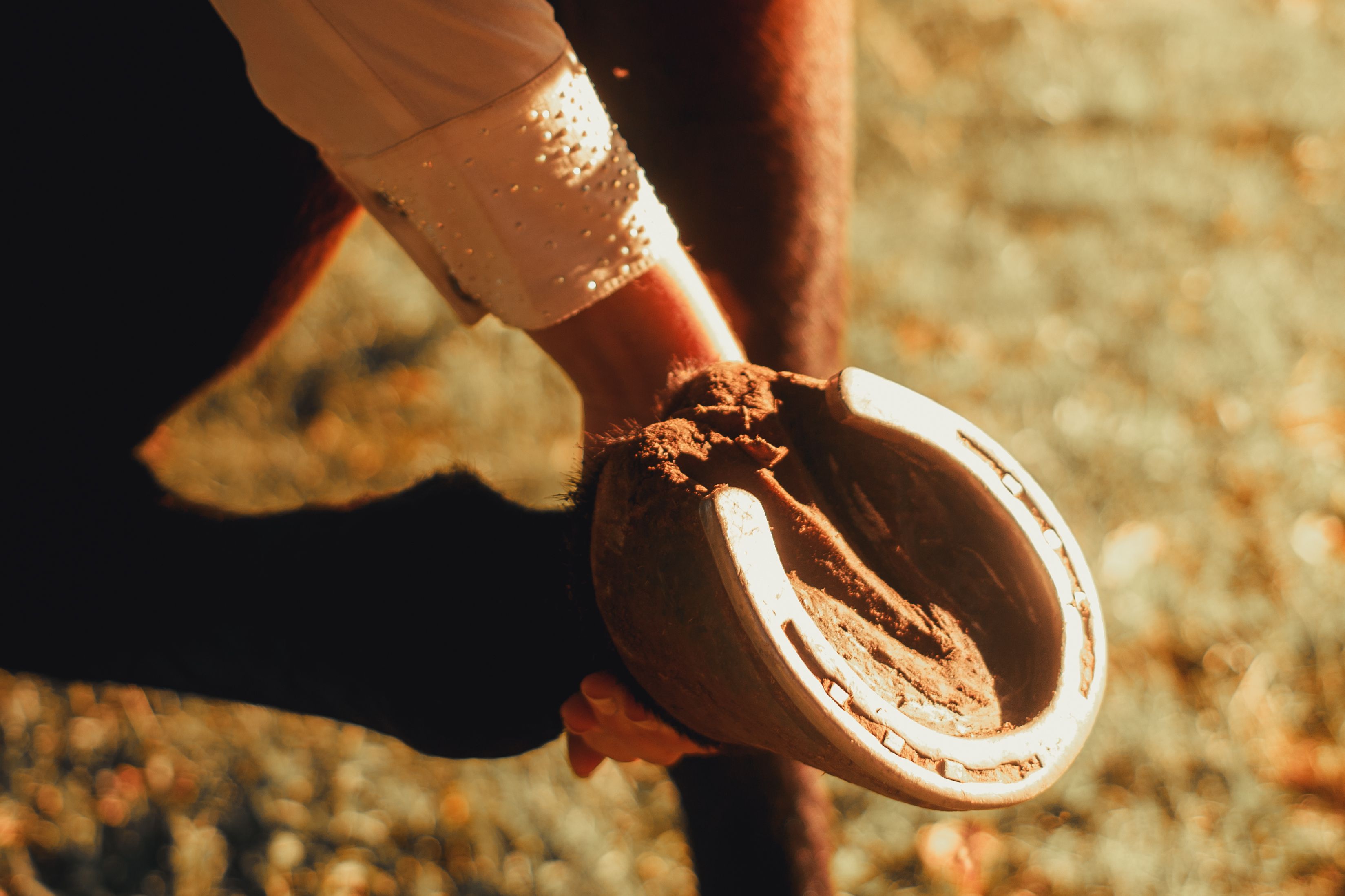
Manage footing. Spread sand or stall shavings on frozen high-traffic areas around gates, water troughs, and run-in sheds. Pull shoes or add snow pads and studs if your horse works outside. Remove ice buildup from hooves promptly so your horse isn’t standing on a hard, uneven ball.
Warm up longer. Double your normal walk warm-up in cold weather to give synovial fluid time to thin and cartilage time to hydrate before asking for collection or speed.
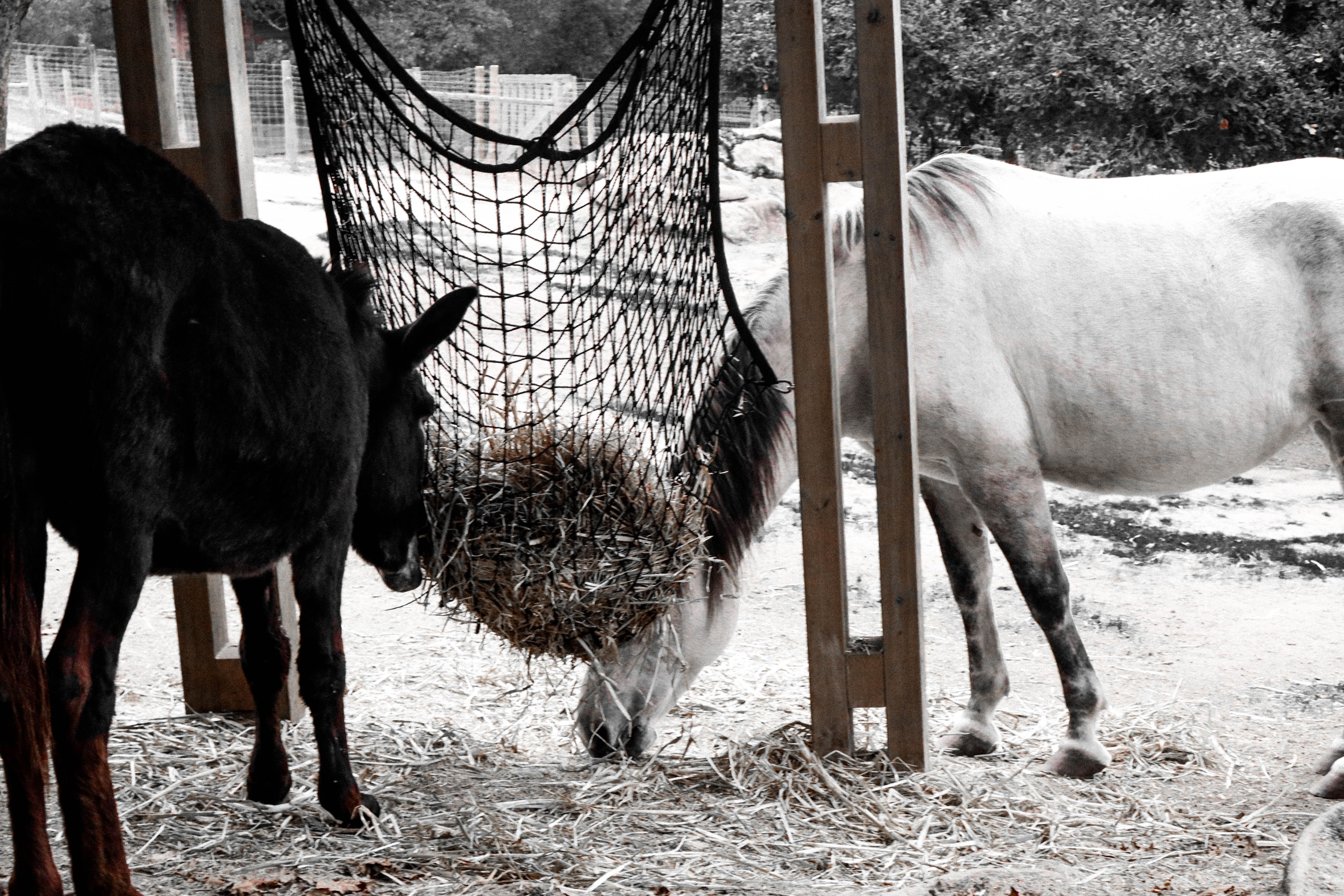
Close the nutrient gap. Test your hay to know its calcium-to-phosphorus ratio, and keep it between 1.5:1 and 2:1. Because dried forage cannot replace the vitamin K1 that pasture supplied, many owners add a targeted supplement, such as BoneKare, during the hay-only months to support normal calcium binding and bone remodeling.
Monitor weight and water. Dehydrated horses produce less synovial fluid, and cold water discourages drinking. Heated buckets or warmed water increase intake. Keep body condition at a 5 on the Henneke scale; excess weight adds load to already-stressed joints, while underweight horses lack the protein reserves bone repair requires.
Watch for early signs. Reluctance to walk downhill, a shortened stride on hard ground, longer-than-normal morning stiffness, or heat and filling in a joint after turnout all warrant a call to your veterinarian before they become a layup.
Frequently Asked Questions
Does cold weather actually weaken a horse’s bones?
Not the cold itself. Reduced movement, hard footing, and loss of fresh forage in winter reduce bone density and increase joint stress. Managing those three factors offsets most of the risk.
Should I stop riding in winter to protect my horse’s joints?
No. Regular moderate exercise is protective. The goal is to avoid hard, fast work on frozen ground while maintaining daily loading through walking, turnout, and arena work.
How long does bone density take to recover in spring?
Research suggests several months of gradually increasing work. Older horses recover more slowly than young ones, so a winter of total rest can affect soundness well into summer.
Can hay provide enough vitamin K1 for bone health?
Usually not at the levels fresh pasture does. K1 degrades as forage is cut, dried, and stored, so supplementation matters most during the months horses are off grass.
Winter does not have to cost a horse bone strength or joint comfort. The skeleton responds to what it is given: load it daily, cushion the ground it stands on, keep it hydrated, and replace the nutrients that disappear when pasture does. Do those four things consistently from first frost to green-up, and your horse will walk into spring ready to work instead of needing to rebuild.