Dogs have an extraordinary sense of smell that far exceeds human capabilities. While all dogs have impressive olfactory abilities, certain breeds have been specifically developed over centuries to excel at scent work. These remarkable canines can track scents across vast distances, detect specific odors in complex environments, and even save lives through their incredible noses.
This knowledge could be helpful in the case of someone considering a dog for working purposes; however, for the majority of people, this is simply an understanding of how amazing dog breeds can be.
The Science Behind the Scent
Dogs have 300 million olfactory receptors in their noses (humans have 6 million). The part of a dog’s brain that analyzes these smells is 40 times bigger than that of humans. All this means that dogs can smell things at concentrations that are nearly 100 million times lower than humans!
Other breeds that were developed and bred with the intention of performing this work, and with these natural abilities of dogs even further enhanced, have exceptionally large nasal cavities, longer snouts, and the instinct to follow trails of scent.
Top Breeds Bred for Scent Work
Bloodhounds
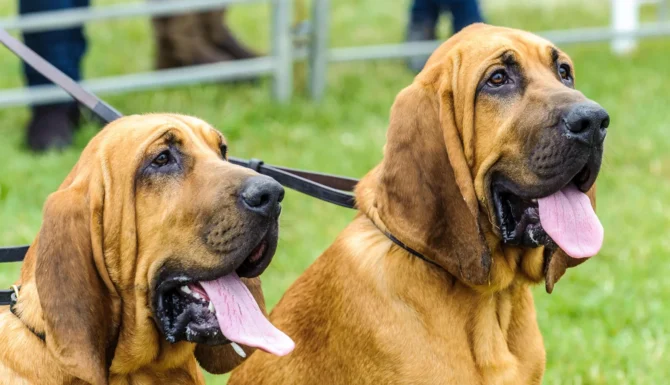
Bloodhounds are often considered the gold standard for dogs because of their most acute sense of smell out of any breed. With approximately 300 million scent receptors, these dogs have an amazing ability to follow trails that are days or even weeks old. Their long, droopy ears and wrinkled skin all play a part in capturing scents and bringing them towards their nose.
Originally bred in medieval Europe to track deer and wild boar, they have become invaluable to law enforcement and search and rescue operations. A Bloodhound’s abilities are so reliable that evidence of their tracking can be used in courts of law!
Basset Hounds
These dogs share many of the same physical characteristics of Bloodhounds. Basset Hounds were bred in France to hunt small game like rabbits and hares. Their short legs help them get close to the ground to pick up scents of their prey.
Beagles
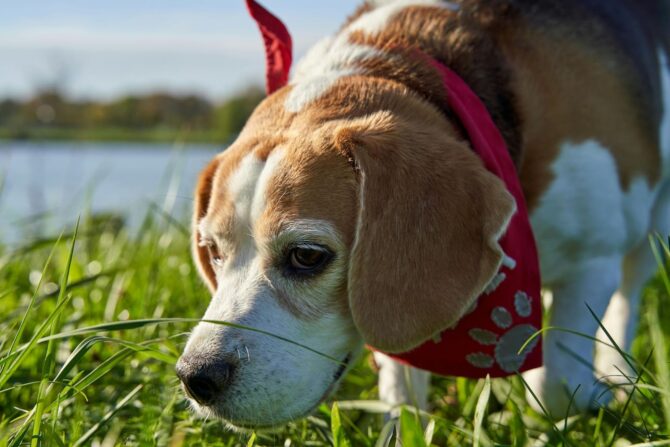
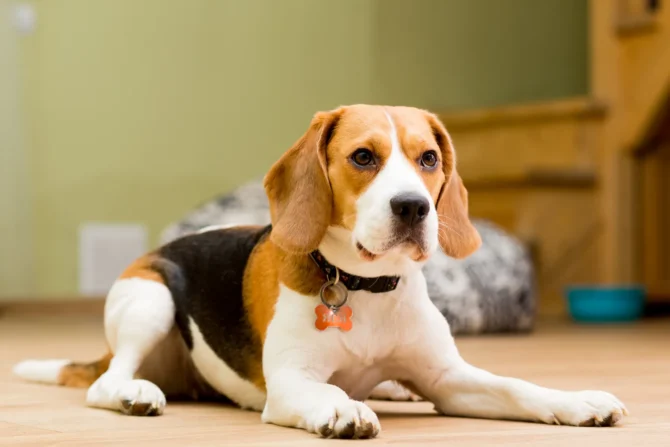
Beagles, for instance, have approximately 225 million scent receptors in their noses. Beagles were originally employed as hunting dogs, but nowadays are often used in airports to detect contraband. The Beagle’s friendly nature and strong sense of smell make it an excellent dog for identifying prohibited items!
German Shepherds
One of the best breeds of dogs for the police are German shepherds. They have around 225 million scent receptors, which make them incredible when it comes to detecting things and finding people. However, beyond their strong sense of smell, they’re also very smart and trainable, making them a top choice for both the police and military.
Belgian Malinois
Similar to German Shepherds in their scenting abilities, Belgian Malinois are increasingly popular in military and police work. Their intense drive, athleticism, and powerful noses make them exceptional at detection work. They’re often used for explosive detection in high-stakes environments.
Labrador Retrievers
Labs are among the most versatile scent detection dogs. With approximately 220 million scent receptors and an eagerness to please, they excel in search and rescue operations, drug detection, and even medical detection work. Labs have been trained to detect cancer, low blood sugar in diabetics, and oncoming seizures.
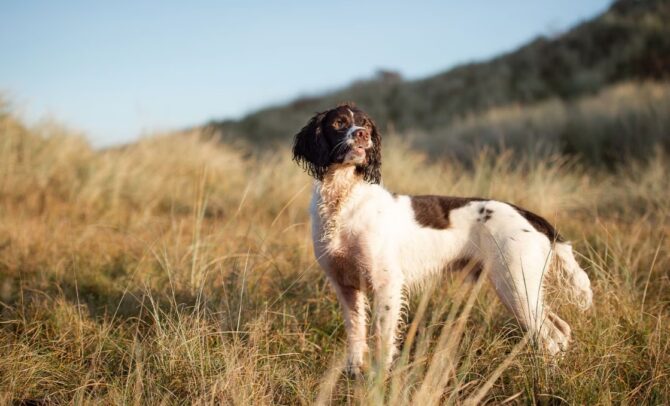
English Springer Spaniels
These dogs have excellent scenting abilities. This enables them to be used to find drugs and explosives, especially in places like airports. The dogs are energetic and able to do lots of work, but are of a medium size, so they are not too intimidating.
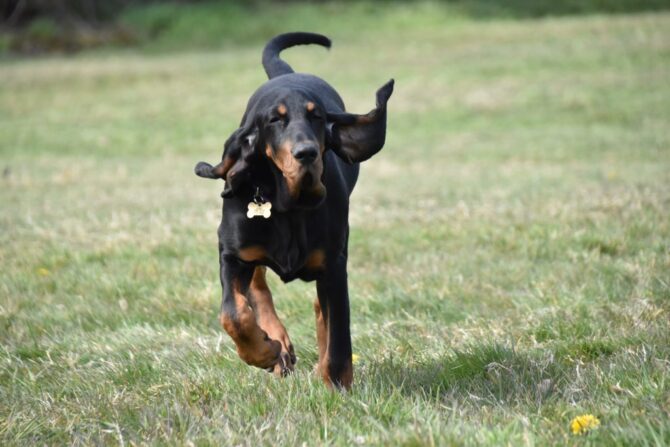
Coonhounds (Multiple Varieties)
There are several different breeds of Coonhounds (black and tan, redbone, bluetick, and treeing walkers). All of these were developed in America, and are known as determined hunting dogs with excellent stamina and a strong sense of smell.
Applications of Scent Work
Dogs with powerful noses serve in numerous critical roles:
- Search and rescue: Tracking lost persons in wilderness areas, disaster zones, and avalanche sites.
- Law enforcement: Detecting drugs, explosives, firearms, and tracking suspects or missing persons.
- Conservation: Locating endangered species, tracking poachers, and detecting invasive species.
- Medical detection: Identifying diseases like cancer, alerting diabetics to blood sugar changes, and predicting seizures.
- Agriculture: Detecting plant diseases, finding truffles, and identifying contaminated products.
- Bed bug detection: Locating bed bug infestations in homes and hotels with remarkable accuracy.
Training for Scent Work
While these breeds are naturally good sniffers, training them to become working detection dogs requires extensive training. Professional scent detection training typically lasts for 6 to 12 months. Their training mainly consists of odor recognition, which is training them to target specific scents among thousands of competing odors.
They are also trained to develop a signal for when they detect a scent, such as sitting, scratching or alerting their master. Finally, they are trained to build trust and communication with their handler.
Recreational scent work activities like nose work classes and tracking tests are also available for pet owners who want to engage their dog’s natural abilities in a fun, mentally stimulating way.
Caring for Scent Work Dogs
Breeds with exceptional noses often have specific care requirements:
- Exercise needs: Most scent hounds are active breeds and require a lot of daily exercise and mental stimulation.
- Ear care: Breeds with long, droopy ears need their ears cleaned regularly to prevent infections.
- Secure fencing: Scent-driven dogs can become so focused on a scent trail that they may wander off if not properly restrained
- Training and socialization: These intelligent dogs need consistent training and enough mental challenges to prevent them from getting bored and destructive.
Conclusion
Dogs with powerful noses, whether for finding people, detecting diseases, or following a trail, are extraordinary breeds that showcase one of nature’s most impressive sensory abilities.
From the legendary Bloodhound to the versatile Labrador Retriever, the different breeds all bring unique strengths to the table. Understanding these breeds better helps people to appreciate their capabilities, the care that they deserve, and the services that they provide for the rest of us.